
Article Title: Simple Daily Food Habits That Can Help You Cut Back on Sugar Naturally
Reducing sugar intake does not have to feel strict, overwhelming, or stressful. For many people, the most effective approach is not removing every sweet food overnight, but building balanced eating habits that make lower-sugar choices feel easier over time. Small, realistic adjustments often work better than sudden rules because they are easier to maintain in daily life.
One reason people often struggle with sugar reduction is that sweet foods are tied to routine. Sugar may appear in breakfast cereals, flavored drinks, snacks, desserts, sauces, and even foods that do not seem especially sweet. Because of this, reducing sugar works best when approached gradually. Instead of focusing on what must be removed immediately, it can be more helpful to focus on creating meals that feel satisfying and balanced.
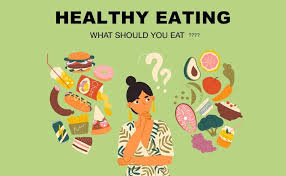
A practical first step is to pay attention to meal structure. Meals that include a balance of protein, fiber, and healthy fats may help people feel full for longer and reduce the urge to reach for sweet snacks soon after eating. For example, a breakfast with yogurt and fruit, eggs with vegetables, or oatmeal with nuts may feel more satisfying than a highly sweetened pastry or sugary cereal. The goal is not perfection, but better balance.
Another helpful habit is to reduce sugar in areas where it is easiest to notice. Drinks are often one of the simplest places to begin. Sweetened coffee drinks, soda, energy drinks, and packaged juices may add a large amount of sugar to the day without creating much fullness. Replacing some of these with water, sparkling water, unsweetened tea, or less-sweet alternatives can be a realistic change that supports lower intake without changing everything at once.
Snacking habits also matter. Many people reach for sugary snacks because they are convenient, familiar, or comforting during a busy day. Instead of trying to stop snacking completely, it may be more realistic to prepare options that feel enjoyable but less dependent on added sugar. Fresh fruit, plain yogurt, nuts, whole grain crackers, or simple homemade snacks can make it easier to choose something balanced when hunger appears.
Reading food labels can also support better decisions, especially with packaged foods. Sugar may be added to products such as flavored yogurt, granola bars, sauces, breakfast items, and snacks. This does not mean a person needs to inspect every label with stress. It simply helps to become more aware of where sugar is commonly found, so choices can be made more intentionally. Awareness often creates change without the need for extreme rules.
Another useful strategy is to adjust taste gradually. When people reduce sugar slowly, the process often feels more comfortable. For example, using a little less sugar in coffee or tea, choosing plain yogurt instead of sweetened versions, or mixing sweet cereal with a less-sweet option can help the palate adapt over time. A gradual approach may feel less restrictive and more sustainable than trying to change everything in one day.
It is also important to avoid the mindset of total restriction. When people label foods as completely forbidden, they may feel more stress around eating. A more balanced approach allows room for enjoyment while still supporting healthier habits. Having dessert occasionally or enjoying sweet foods in moderate portions can fit into a realistic routine. Long-term progress often comes from consistency, not from trying to be perfect.
Planning ahead can make sugar reduction easier. When meals and snacks are rushed or skipped, people may be more likely to reach for convenient, highly sweetened options. Keeping simple ingredients at home, preparing snacks in advance, or having a few easy meal ideas can reduce pressure and support more thoughtful choices throughout the week.
Stress management also plays a role. Many people crave sweet foods when they are tired, busy, or emotionally drained. This does not mean cravings are a weakness. It simply shows that eating habits are often connected to mood and routine. Better sleep, regular meals, movement, and short breaks during the day may all support a more balanced relationship with food.
Cutting back on sugar naturally is often less about willpower and more about creating a routine that works. When balanced meals, practical snacks, and gradual changes become part of daily life, reducing sugar can feel less like a struggle and more like a manageable step toward everyday wellness. The most helpful habits are usually the ones people can continue with confidence and without unnecessary stress.